
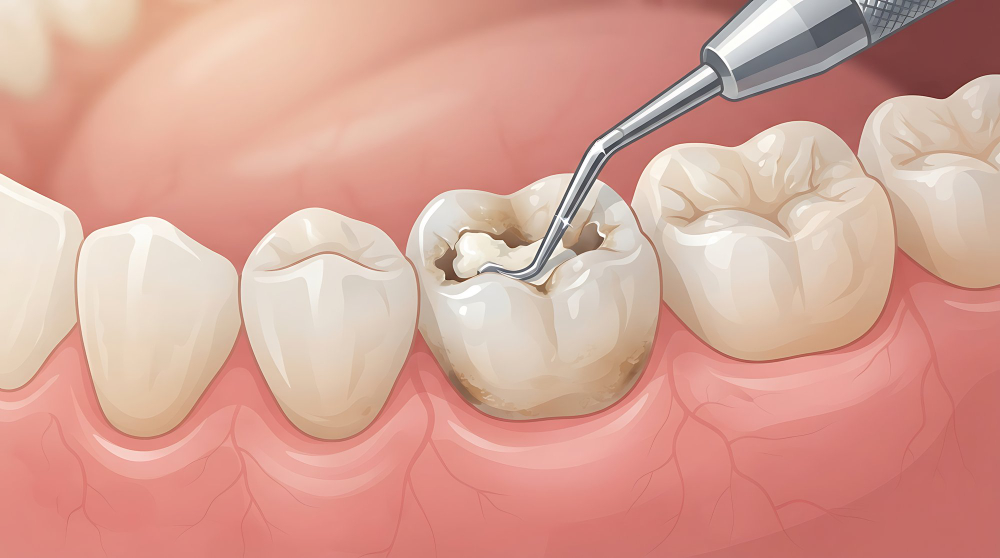
What Are Dental Fillings?
Dental fillings are materials dentists use to repair teeth. When a tooth has a cavity or damage, a filling helps restore its shape and function. Usually, dentists remove the decayed part of the tooth first. Then, they fill the empty space with a special material. This process helps protect the tooth from further harm. In many cases, dental fillings also help stop pain and make chewing easier.
Common Symptoms Indicating the Need for Dental Fillings
Sometimes, it can be hard to know when you need a filling. However, certain signs may suggest a problem. For example, you might notice:
Additionally, you may feel rough edges on your teeth. If you notice any of these symptoms, it is important to see your dentist soon.
Causes of Cavities and Tooth Damage
Cavities and tooth damage can happen for many reasons. Most often, they are caused by tooth decay. Tooth decay happens when bacteria in your mouth produce acids. Over time, these acids break down the tooth’s surface. However, other factors can also lead to damage, such as:
Because these causes are common, regular dental checkups help catch problems early.
Diagnosis: How Dentists Identify Cavities and Tooth Damage
First, your dentist will ask about your symptoms. Next, they will examine your teeth and gums. Often, they use a small mirror and dental tools to check for soft spots or holes. In many cases, X-rays help dentists see hidden decay or damage. According to the CDC, early diagnosis is key for successful tooth decay treatment. Regular dental visits make it easier to spot problems before they get worse.
Types of Dental Fillings and Their Benefits
There are several types of dental fillings. Each type has its own benefits. Your dentist will help you choose the best option for your needs. Common types include:
Because each material has pros and cons, your dentist will discuss what works best for your tooth filling procedure.
The Dental Filling Procedure: Step-by-Step
Many people feel nervous about getting a filling. However, the process is usually quick and simple. Here is what you can expect during a typical tooth filling procedure:
Most fillings take less than an hour. Because the area is numb, you should not feel pain during the procedure.
Aftercare and Recovery Tips
After getting a dental filling, you may feel numb for a few hours. However, most people can eat and drink soon after the numbness wears off. To help your tooth heal, follow these tips:
Because some fillings may feel sensitive at first, this usually goes away within a week.
Preventing Cavities and Tooth Damage
Good oral care helps prevent cavities and tooth damage. For example, you can:
Because prevention is easier than treatment, following these steps can help you avoid the need for dental fillings and other tooth decay treatments.
Conclusion
If you have tooth pain or think you need a filling, schedule a visit with Dr. Prathyusha. Early care can help protect your smile and keep your teeth healthy.