
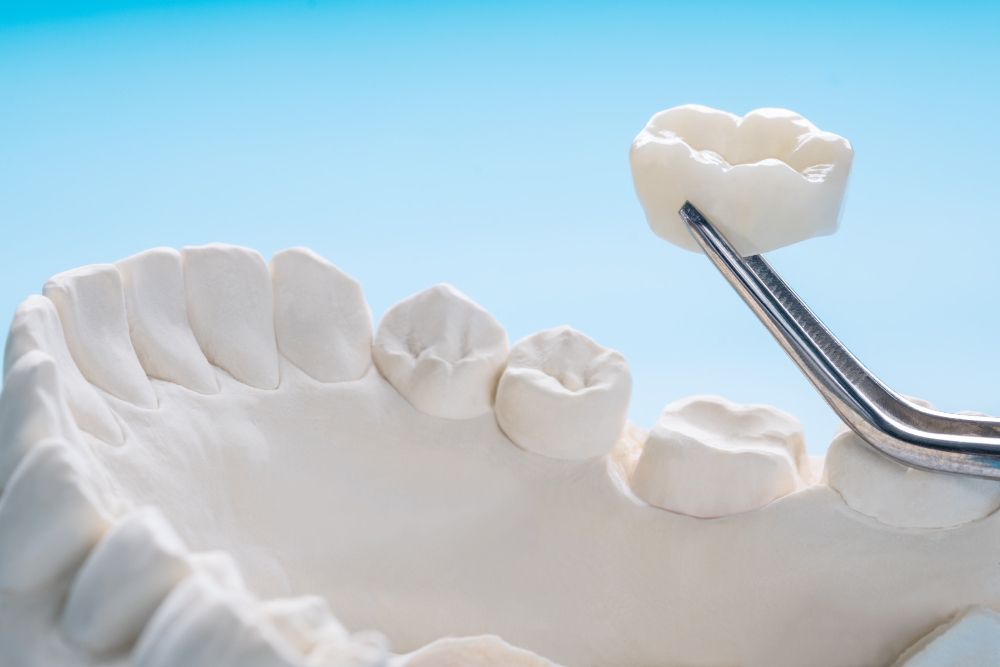
What Are Dental Crowns?
Dental crowns are covers placed over a tooth. They look and feel like natural teeth. Often, dentists use dental crowns to protect weak or damaged teeth. In addition, crowns can improve the shape or color of a tooth. According to the American Dental Association, crowns help restore a tooth’s strength and function. Because crowns fit over the entire tooth, they offer strong protection.
Common Causes of Tooth Damage
Many things can harm your teeth. For example, tooth decay is a leading cause. Cavities can weaken the tooth’s structure. Sometimes, an injury or accident can chip or break a tooth. In other cases, teeth become worn down from grinding or chewing hard foods. Even large fillings can weaken a tooth over time. As a result, the tooth may need extra support.
Signs a Tooth May Need a Crown
Sometimes, it is hard to know when a tooth needs a crown. However, certain signs can help. For instance, if you feel pain when biting, your tooth may be cracked. Sensitivity to hot or cold foods can also be a warning. If a tooth looks broken or has a large filling, protection may be needed. In many cases, your dentist will notice these problems during a check-up.
How Dentists Diagnose the Need for a Crown
First, your dentist will examine your mouth. They may use X-rays to check the tooth’s roots and bone. Next, the dentist looks for cracks, decay, or weak spots. Sometimes, they test the tooth by tapping or asking about pain. If the tooth cannot be fixed with a filling, a crown may be the best option. Dentists follow guidelines from groups like the American Dental Association to decide when a crown is needed.
Types of Dental Crowns
There are several types of dental crowns. Each type has its own benefits. For example, some crowns are made of metal, while others use porcelain or ceramic. Sometimes, a dentist may suggest a mix of materials for strength and a natural look. Because every patient is different, your dentist will help you choose the best type.
The Dental Crown Procedure: Step-by-Step
Getting a dental crown usually takes two visits. First, the dentist numbs the area and shapes the tooth. Then, they take a mold or digital scan. This helps create a crown that fits perfectly. While you wait for the final crown, a temporary one protects your tooth. At the next visit, the dentist checks the fit and color. Finally, they cement the crown in place. Now, your tooth is protected and looks natural.
Benefits and Risks of Dental Crowns
Dental crowns offer many benefits. For example, they protect weak teeth and restore chewing ability. Crowns also improve the look of damaged teeth. However, there are some risks. Sometimes, a crown may feel sensitive at first. Rarely, it can come loose or break. According to the American Dental Association, most crowns last many years with good care. Still, regular dental visits are important to check the crown’s condition.
Caring for a Tooth with a Crown
Proper care helps your dental crown last longer. First, brush your teeth twice a day with a soft brush. Next, floss daily to keep the area clean. Avoid chewing hard foods or ice, as this can damage the crown. Because crowns can still get cavities at the edges, regular dental check-ups are important. If you grind your teeth, ask your dentist about a night guard. Following these steps helps protect your crown and your natural teeth.
Preventing Tooth Damage
While dental crowns are a helpful solution, it is best to prevent tooth damage in the first place. For example, brush and floss daily to remove plaque. Eat a balanced diet with less sugar. Wear a mouthguard during sports to protect your teeth. In addition, avoid chewing on hard things like ice or pens. Regular dental check-ups help catch problems early. By following these steps, you can keep your teeth strong and healthy.
Start your journey towards better oral health with expert guidance of Dr. Prathyusha