What Is Gum Disease?
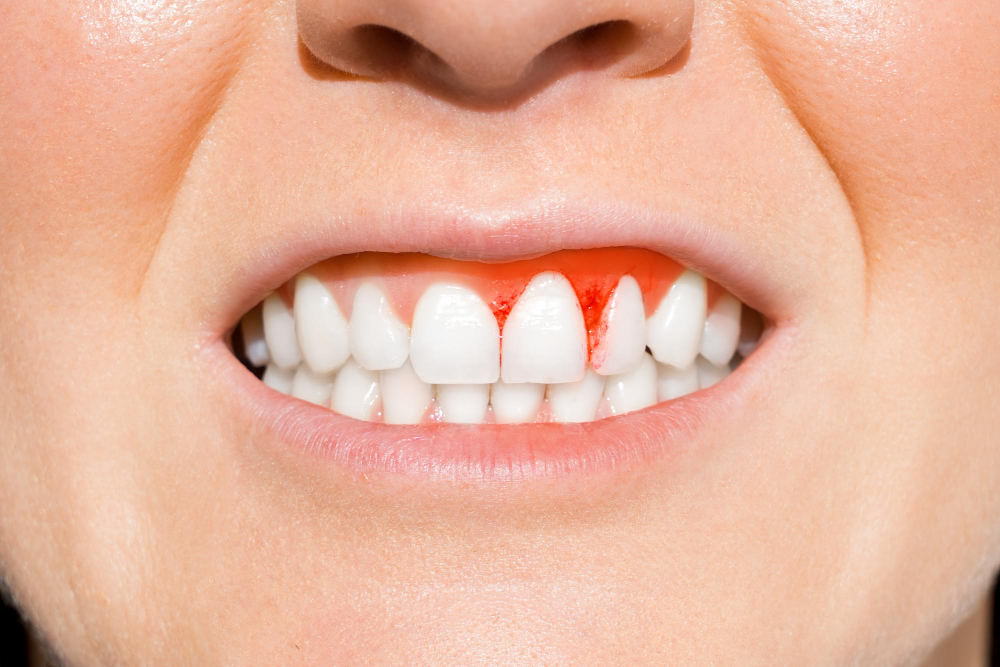
Gum disease is a common problem that affects the tissues around your teeth. It starts when bacteria build up on your teeth and gums. This buildup is called plaque. If you do not remove plaque, it can cause your gums to swell and bleed. Over time, gum disease can lead to tooth loss. For this reason, knowing the early signs of gum disease is very important.
Why Early Detection Matters
Early detection of gum disease can save your teeth and gums. When you spot problems early, treatment is easier and more effective. In addition, early care can prevent pain and costly dental work. According to the CDC, gum disease is a leading cause of tooth loss in adults. However, you can avoid serious problems if you act quickly.
Early Signs and Symptoms of Gum Disease
It is important to watch for early signs of gum disease. These signs are often mild at first. Yet, they can get worse if you ignore them. Look out for these symptoms:
If you notice any of these early signs of gum disease, take action right away. Early treatment can protect your smile.
Causes and Risk Factors
Many things can cause gum disease. Most often, it starts with poor oral hygiene. However, other factors can increase your risk, such as:
Because these risk factors can add up, it is important to take extra care if you have any of them.
How Gum Disease Is Diagnosed
Your dentist can check for gum disease during a regular visit. First, they will look at your gums for swelling or bleeding. Next, they may use a small tool to measure the space between your teeth and gums. Healthy gums fit snugly around your teeth. If the spaces are deep, it may be a sign of gum disease. Sometimes, your dentist may take X-rays to check for bone loss.
Treatment Options
Treatment depends on how serious the gum disease is. For mild cases, your dentist may suggest:
If the disease is more advanced, you may need deeper cleaning or other dental procedures. In some cases, surgery may be needed to restore gum health. But with early care, most people can avoid these steps.
Prevention Tips and Daily Oral Care Guidance
Preventing gum disease is possible with good daily habits. Here are some gum health tips you can follow:
Because prevention is easier than treatment, make these steps part of your daily routine. Your gums and teeth will thank you.
Conclusion
In summary, gum disease can harm your smile if you ignore early signs. However, you can protect your gums with good care and quick action. If you notice any early signs of gum disease, consult a dental professional Dr. Prathyusha for personalized advice.